Varanasi Travel Guide 2026: Everything You Need to Know Before Visiting Kashi
Best time to visit, 1–4 day itineraries, Ganga Aarti and boat tips, food, day trips and transparent 2026 taxi fares — written by a Varanasi-based travel team.
By Prashant, Founder, ShriKashiTrip · 7+ years in Varanasi pilgrimage and tourism travel
Varanasi — also called Kashi or Banaras — is one of the world’s oldest continuously inhabited cities and the spiritual centre of Hinduism, built along a curve of the Ganges in Uttar Pradesh. People come to bathe in the river at dawn, watch the evening Ganga Aarti at Dashashwamedh Ghat, seek darshan at Kashi Vishwanath Temple, and walk an old city that has run on the same rhythm of temple bells, boat oars and narrow lanes for centuries.
Most first-time visitors should plan 2–3 full days. That is enough for the major ghats, the temple, one evening aarti, a sunrise boat ride and a half-day trip to Sarnath without rushing. Varanasi rewards slow mornings and unhurried evenings more than a packed checklist: the city is dense, the lanes are narrow and walking takes longer than a map suggests.
This guide covers what to know before you go — when to visit, how to arrive, where to stay, what to see and eat, how to get around, and realistic itineraries — plus the practical notes on etiquette, safety and transport that generic guides skip. Our team at ShriKashiTrip is based in Varanasi (Bhojubeer) and handles daily airport transfers, city sightseeing and pilgrimage routes, so the advice below comes from the road, not a brochure.
- Varanasi at a Glance
- Why Visit Varanasi
- Things to Know Before You Go
- Best Time to Visit
- How Many Days You Need
- How to Reach Varanasi
- Where to Stay
- Places to Visit
- Ganga Aarti Guide
- Boat Ride Guide
- Food Guide
- Shopping
- Itineraries
- Varanasi + Sarnath
- Day Trips
- Getting Around
- Taxi Fares 2026
- Which Vehicle to Choose
- Airport Taxi
- Choosing a Taxi or Agency
- Mistakes & Tips
- FAQ
Varanasi at a Glance
| Detail | Info |
|---|---|
| Ideal trip length | 2–3 full days (4+ with Sarnath and a day trip) |
| Best time to visit | October to March (cool, dry weather) |
| Main airport | Lal Bahadur Shastri International Airport (VNS), ~25 km from the city centre |
| Main railway station | Varanasi Junction (Varanasi Cantt, code BSB) |
| Typical sightseeing pace | Half-day for ghats and temple circuit; a full morning or evening for Ganga Aarti and boat ride |
| Major attractions | Kashi Vishwanath Temple, Dashashwamedh Ghat, Assi Ghat, Manikarnika Ghat, Sarnath |
| Recommended local transport | Walking in the old city; auto-rickshaw or private taxi for everything else |
| Language | Hindi and Bhojpuri locally; English widely understood in tourist areas |
Why Visit Varanasi?
Varanasi, Kashi and Banaras are the same city. Varanasi is the official name, Kashi the ancient spiritual name and Banaras the everyday colloquial one. For Hindus, Kashi is one of the seven sacred cities (Sapta Puri) and the traditional abode of Lord Shiva; dying or being cremated here is held to grant moksha, liberation from the cycle of rebirth. Buddhists know the region for nearby Sarnath, where the Buddha delivered his first sermon.
What sets Varanasi apart is that almost nothing here was built for visitors. The ghats, temples, cremation grounds and boats exist because the city’s own religious life requires them — travellers are watching a living ritual city, not a curated attraction. Beyond the spiritual core, Varanasi has a distinct food culture, a centuries-old silk-weaving tradition behind the Banarasi saree, and a classical music heritage tied to the Banaras gharana. River, ritual, food, craft and history in one compact old city is what brings repeat visitors back.
Things to Know Before Visiting Varanasi
Walk, don’t drive.
Lanes around Kashi Vishwanath Temple and the ghats are too narrow for cars and often for autos. Taxis can only drop you at the edge of the old city, so wear comfortable slip-on footwear.
Start early.
Sunrise boat rides and the morning aarti at Assi Ghat happen roughly 5:00–7:00 AM, before the heat and crowds. Plan at least one early start.
Expect crowds by mid-morning.
Vishwanath Gali and Dashashwamedh Ghat get congested by mid-morning and again before the evening aarti. Festival periods multiply this.
Dress modestly.
Cover shoulders and knees at temples. Some temples restrict phones, leather and bags, with lockers at the entrance.
Respect the cremation ghats.
Manikarnika and Harishchandra are active cremation sites. Observe from a distance, avoid photography and keep noise down.
Handle touts politely.
Declining unsolicited guide, boat or shop offers is normal and not rude by local standards.
Check the boat first.
Confirm a life jacket before boarding and avoid boating in heavy monsoon flow.
Carry some cash.
UPI and cards work at hotels and larger shops, but boatmen and street stalls often prefer cash.
Elderly travellers and mobility concerns: ghat steps are steep and uneven. Stay near Dashashwamedh or Assi Ghat to cut daily walking, or choose Cantonment for easy vehicle access, and use a private car with a driver who knows the closest drop points. With children: boat rides and open ghats work well, but temple queues and crowds are easier early in the morning or off-peak.
Best Time to Visit Varanasi
October to March is the best time to visit Varanasi, with daytime temperatures of roughly 10–25°C, cool mornings and comfortable conditions for walking and boat rides. It is also peak season, so book hotels and boats in advance.
| Season | Months | Conditions | Good for |
|---|---|---|---|
| Winter | Nov–Feb | 8–25°C, cool mornings, occasional fog | Sightseeing, boat rides, festivals — most popular |
| Summer | Mar–Jun | Up to 40–45°C, dry heat, hot winds (loo) | Fewer crowds, but daytime sightseeing is difficult |
| Monsoon | Jul–Sep | 25–35°C, humid, heavy rain, higher river | Quieter and atmospheric; boats may be restricted, ghat steps slippery |
Festivals add a different experience. Dev Deepawali (Kartik Purnima, fifteen days after Diwali) is the most spectacular, with the ghats lit by thousands of lamps — in 2026 it falls on 24 November; see our Dev Diwali 2026 boat booking guide for boats and packages. Mahashivratri (February–March) brings large Shiva-focused crowds and Makar Sankranti (January) brings kite-flying along the ghats. Dates follow the Hindu lunar calendar and shift every year, so confirm them before booking, and expect higher prices and heavier crowds during all three.
How Many Days Do You Need in Varanasi?
- 1 day: possible but tight — temple, ghat walk and evening aarti, but no Sarnath or unhurried river time.
- 2 days: the realistic minimum — temple and ghats on day one, sunrise boat ride and Sarnath on day two.
- 3 days: the sweet spot — adds food exploration, Banarasi silk shopping and a second relaxed evening on the ghats.
- 4+ days: add a Prayagraj day trip, classical music evenings, Ramnagar Fort and lesser-visited ghats like Tulsi and Kedar.
How to Reach Varanasi
By air
Lal Bahadur Shastri International Airport (VNS) is about 25 km northwest of the city centre — 45–60 minutes by road. It has direct domestic flights from Delhi, Mumbai, Bengaluru, Hyderabad, Chennai, Kolkata and Ahmedabad, plus limited international routes. Given the distance and odd-hour flights, a pre-booked Varanasi airport taxi gives you a fixed fare and a driver waiting with your name.
By train
Varanasi has several stations a few kilometres apart, so check which one your train uses. Varanasi Junction (Cantt, BSB) is the main station, about 5 km from Kashi Vishwanath Temple. Banaras (BNRS, formerly Manduadih) is a calmer alternative. A few trains use Kashi or Pt. Deen Dayal Upadhyaya (Mughalsarai) Junction, farther out. Mixing them up can add half an hour.
By road
National highways and the Purvanchal Expressway connect Varanasi to Prayagraj, Ayodhya, Gorakhpur, Lucknow and Bodh Gaya, with drives of about 3 hours (Prayagraj) to 5–6 hours (Bodh Gaya). A private outstation taxi gives door-to-door convenience without transfers — see our taxi service in Varanasi page and the fare guide below.
Where to Stay in Varanasi
There is no single best neighbourhood; it depends on your trip.
- Assi Ghat area: popular with longer-stay visitors; quieter, good cafés, walkable to the southern ghats.
- Dashashwamedh / Godowlia: most central and closest to Kashi Vishwanath and the main aarti, but busiest — expect a walk from the vehicle drop point.
- Cantonment (near Varanasi Junction): wider roads, easier vehicle access and a conventional city-hotel feel — practical for elderly travellers and heavy luggage. See our cab service in Varanasi Cantt.
- Sarnath: quiet and removed from the old city; suits Buddhist-focused travellers who visit the ghats as a day trip.
Families and elderly travellers should favour easy vehicle access (Cantonment or outer Assi) over deep old-city lanes.
Places to Visit in Varanasi
| Attraction | Time to allow | Best suited for |
|---|---|---|
| Kashi Vishwanath Temple | 1–2 hrs (longer in peak season) | All travellers; queues are hard on very young children |
| Dashashwamedh Ghat | 1–2 hrs (especially at aarti) | All travellers |
| Assi Ghat | 1 hr+ | All travellers; relaxed mornings |
| Manikarnika Ghat | 30–45 min, from a respectful distance | Culturally curious travellers; not for young children |
| Sankat Mochan Hanuman Temple | 45 min | Families; less crowded than Kashi Vishwanath |
| BHU & Bharat Kala Bhavan | 1–2 hrs | Art and history lovers; calm campus |
| Ramnagar Fort | 1–2 hrs (across the river) | History-focused travellers |
| Sarnath | Half-day | Everyone, especially Buddhist-history interest |
Kashi Vishwanath Temple is one of the twelve Jyotirlingas and the city’s most important Shiva shrine, set within the redeveloped Kashi Vishwanath Corridor linking the temple to the Ganga. Expect security checks, a dress code and lockers for phones and leather. Queues run long on weekends and during Shravan or Mahashivratri; read our Kashi Vishwanath darshan timings and visit guide before you go.
Dashashwamedh Ghat is the most central ghat and the home of the nightly aarti. Assi Ghat, at the southern end, is calmer and hosts the Subah-e-Banaras morning programme. Manikarnika Ghat is one of two active cremation ghats (with Harishchandra) — visit respectfully. BHU has a tree-lined campus, the New Vishwanath Temple and the Bharat Kala Bhavan Museum. Ramnagar Fort is the residence of the Kashi Naresh and holds a museum of vintage cars, weapons and royal memorabilia.
Ganga Aarti Guide
The evening Ganga Aarti at Dashashwamedh Ghat is Varanasi’s signature ritual: a synchronised fire ceremony by a row of priests with multi-tiered brass lamps, chanting, bells and conch shells, offered to the river. It happens every evening, year-round, in all weather.
Timing follows sunset. It typically begins around 5:45–6:30 PM in winter (October–March) and 6:45–7:00 PM in summer and monsoon (April–September), and lasts roughly 45 minutes. Confirm the day’s timing locally. Arrive 30–60 minutes early for a ghat-side seat; there is no entry fee. You can also watch from a boat for a wider view.
For a quieter alternative, the morning aarti at Assi Ghat draws far fewer visitors — our Subah-e-Banaras timing and tour guide explains the schedule, history and early-morning pickup.
Varanasi Boat Ride Guide
A boat ride is the only way to see the full sweep of the ghats from the water. Sunrise rides (about 5:30–7:00 AM) are the calmest and most photogenic; evening rides are usually timed around the Ganga Aarti for a front-row river view.
Shared rowboats start under ₹100 per person for short rides; private rowboats and motorboats commonly run ₹800–4,500+ depending on duration and group size. There is no fixed price — rates shift with season, demand and negotiation, and jump during Dev Deepawali. Always confirm a life jacket and avoid heavy monsoon flow.
To avoid disputes at the ghat steps, pre-book through a trusted operator: see our Varanasi boat booking for Ganga Aarti page.
Varanasi Food Guide
- Kachori Sabzi: classic Banarasi breakfast — crisp lentil-stuffed kachori with spiced potato curry, best hot, 6–9 AM.
- Tamatar Chaat: a Varanasi original — tangy spiced tomato chaat, an evening dish around Godowlia and Dashashwamedh.
- Banarasi Lassi: thick, malai-topped yogurt in a clay kulhad, eaten with a spoon.
- Malaiyyo: winter-only saffron-scented milk foam, roughly November to February.
- Thandai: chilled spiced almond-milk drink tied to Mahashivratri and Holi.
- Banarasi Paan: distinctive betel-leaf preparation; try a well-known busy vendor.
Kachori Gali, Godowlia and the Vishwanath Gali area are the densest food streets. Stick to busy stalls with high turnover, drink bottled or filtered water, and ease in with lassi and kachori if you have a sensitive stomach. Most single street-food items cost roughly ₹15–80.
Shopping in Varanasi
Varanasi is the home of the Banarasi silk saree, woven with gold and silver zari using techniques passed down through weaver families. Genuine handloom pieces take two weeks to several months to weave, which is why authentic silk costs far more than machine-made blends.
Authenticity checks: pure silk feels soft but strong, not stiff and glossy; hand-done zari shows small human inconsistencies; handloom pieces show thread floats on the reverse. Ask for an invoice and, where offered, a GI (Geographical Indication) tag. Nati Imli Road is a weaving hub for buying near the source, and Chowk Market offers more negotiable prices than tourist showrooms. Brassware, wooden toys and Banarasi sweets make good gifts.
Varanasi Sightseeing Itineraries
1-day itinerary
Morning: Kashi Vishwanath darshan and a walk through Vishwanath Gali. Afternoon: rest, lunch, light shopping near Godowlia. Evening: walk Dashashwamedh and Assi Ghats, then the Ganga Aarti.
2-day itinerary
Day 1: as above. Day 2: sunrise boat ride from Assi or Dashashwamedh → kachori sabzi breakfast → half-day at Sarnath → food walk or a relaxed second ghat evening.
3-day itinerary
Days 1–2: as above. Day 3: BHU and Bharat Kala Bhavan in the morning, Banarasi silk shopping in the afternoon, and a quieter evening at Assi or Tulsi Ghat.
4+ day itinerary
Days 1–3: as above. Day 4: a day trip to Prayagraj (Varanasi to Prayagraj taxi), or an unhurried day at Ramnagar Fort and Kedar and Tulsi Ghats.
These plans assume normal old-city traffic, queues and meal breaks. Cramming more is possible but costs the unhurried pace that makes Varanasi worthwhile.
Varanasi + Sarnath
Sarnath is about 10 km from central Varanasi — a 25–30 minute drive — and one of Buddhism’s four most important pilgrimage sites, where the Buddha delivered his first sermon. Key sites: the Dhamek Stupa, the Ashoka Pillar and its Lion Capital (India’s national emblem), the Sarnath Archaeological Museum, Chaukhandi Stupa, and the Thai, Tibetan, Chinese and Japanese temples. Most sites lie within about a kilometre of each other and fit in a half-day. Plan it with our Sarnath tour from Varanasi.
Best Day Trips From Varanasi
| Destination | Distance | Drive time | Day trip? |
|---|---|---|---|
| Sarnath | ~10 km | 25–30 min | Yes — easy half-day |
| Vindhyachal | ~70 km | ~2 hrs | Yes — a manageable day |
| Prayagraj (Triveni Sangam) | ~125–135 km | ~3 hrs | Yes, a long day |
| Ayodhya (Ram Mandir) | ~230–250 km | 4–5 hrs | Better as an overnight |
| Bodh Gaya | ~270–300 km | 5–6 hrs | Better as an overnight |
| Ramnagar Fort | Across the river | Short crossing | Yes — half-day add-on |
Prayagraj, at the Ganges–Yamuna confluence, is a long but doable round trip, and Vindhyachal is a shorter pilgrimage run — see our Varanasi to Vindhyachal taxi. Ayodhya and Bodh Gaya are often sold as “easy day trips”, but 8–10+ hours of round-trip driving leaves little time at the destination; an overnight is better. Check routes and fares on our Varanasi to Ayodhya taxi page. For groups, an Innova Crysta or Tempo Traveller is more comfortable than a sedan over distance.
Getting Around Varanasi
- Walking: unavoidable and often fastest in the old city.
- Auto-rickshaws and e-rickshaws: good for point-to-point trips outside the old core; agree the fare first.
- Cycle rickshaws: slow but local, handy around the station and markets.
- Boats: transport as well as sightseeing along the ghats.
- Private taxi: best for the airport, Sarnath, Ramnagar Fort or a multi-stop sightseeing day, and far more comfortable for families, elders and luggage.
For one full day covering the temple, several ghats and Sarnath, a pre-booked car from our Varanasi taxi service is usually more efficient and less stressful than stitching autos together leg by leg.
Varanasi Taxi Fare Guide 2026 (ShriKashiTrip Rates)
These are ShriKashiTrip’s indicative 2026 rates. They are our own prices, not universal Varanasi market rates, so confirm the final quotation with any operator before booking, including us.
| Vehicle | Rate per km (outstation) | Minimum billing / day (250 km) | Ideal for |
|---|---|---|---|
| Sedan — Swift Dzire | ₹11/km | ₹2,750 | 1–4 travellers, light luggage |
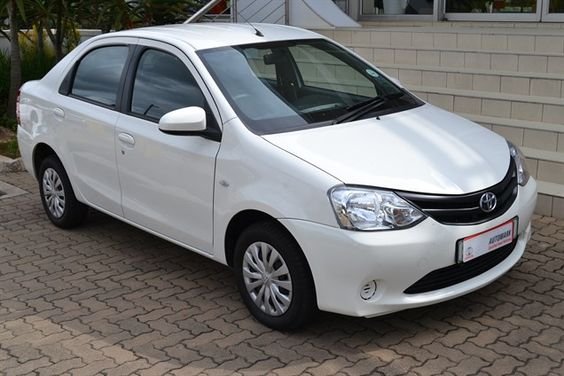
| Sedan — Toyota Etios | ₹12/km | ₹3,000 | 1–4 travellers |
| Innova | ₹15/km | ₹3,750 | Families of 5–6 |
| Innova Crysta | ₹17/km | ₹4,250 | Families, elders, multi-day trips |
| Tempo Traveller (12-seat) | ₹25/km | ₹6,250 | Groups of 10–12, pilgrim parties |
| Force Urbania | ₹35/km | ₹8,750 | Larger or corporate groups, premium comfort |
How billing works: outstation round trips are billed at a 250 km/day minimum, so the daily minimum equals the per-km rate × 250. Tolls, parking and any night or driver allowance are communicated in the quote before departure. Airport and city sightseeing packages are quoted by vehicle and date — call or WhatsApp for a fixed fare. Compare us fairly in our guide: ShriKashiTrip vs Ola vs Uber vs Chiku Cab vs local taxi.
Which Vehicle Should You Choose?
| Vehicle | Best for |
|---|---|
| Sedan (Dzire / Etios) | Solo travellers, couples or business trips with light luggage |
| Innova | Families of 5–6 on city or short outstation trips |
| Innova Crysta | Families, multi-generation groups and elders needing easier entry and extra boot space |
| Tempo Traveller | Groups of 10–12, including pilgrim parties travelling together |
| Force Urbania | Larger groups or corporate travel wanting more space and comfort |
For elderly travellers, an Innova or Innova Crysta usually offers easier entry and exit than a sedan. For pilgrim groups on temple circuits, a Tempo Traveller keeps everyone in one vehicle instead of splitting across cars. See the Innova Crysta rental and Tempo Traveller rental pages for details.
Varanasi Airport Taxi
The airport is roughly 25 km from the city centre (45–60 minutes). Families, groups with luggage and anyone landing late at night or very early find a pre-booked transfer more reliable than arranging one after landing: the driver waits at arrivals with your name, handles luggage and confirms the fare in advance. See our Varanasi airport taxi page for vehicle options, or the Varanasi Cantt cab service if you arrive by train.
How to Choose a Varanasi Taxi or Travel Agency
Whoever you book with, check these: transparent published pricing rather than “call for price”; vehicle condition and driver experience for long outstation routes; cancellation terms; what tolls, parking and waiting are and are not included; and written confirmation (WhatsApp is fine). Be cautious of quotes far below every other operator with no vehicle specifics — an early sign of hidden charges. Read our checklist for choosing a travel agency in Varanasi, learn who we are at ShriKashiTrip, or contact our team directly.
Common Mistakes and Travel Tips
Common mistakes first-time visitors make
- Trying to see everything in one day instead of accepting Varanasi’s slower pace.
- Underestimating old-city walking time — a short map distance can take 15–20 minutes.
- Arriving at Kashi Vishwanath without checking entry arrangements or queue times.
- Carrying large bags into narrow lanes with nowhere to store them.
- Scheduling heavy sightseeing in the early afternoon in summer.
- Not confirming what a taxi fare includes (tolls, driver allowance, waiting).
- Booking a hotel deep in the old city without checking where a vehicle can drop you.
- Photographing the cremation ghats, which deeply offends grieving families.
- Expecting fixed schedules — timings shift with sunset, season and ritual.
- Skipping Sarnath because it seems “extra”.
Varanasi travel tips
- Book hotels and boats early for October–March, especially around Dev Deepawali and Mahashivratri.
- Cover shoulders and knees at all temples.
- Carry both cash and digital payment.
- Reach the evening Ganga Aarti 30–60 minutes early.
- Confirm a life jacket before any boat ride.
- Agree auto fares upfront, or use a pre-booked service with published rates.
- Try kachori sabzi early (6–9 AM) and tamatar chaat in the evening.
- Check GI tags when buying Banarasi silk.
- Confirm your railway station (Junction vs Banaras vs Kashi).
- Wear slip-on footwear.
- Plan an overnight for Ayodhya or Bodh Gaya.
- Check the current year’s festival dates before booking around them.
Frequently Asked Questions About Visiting Varanasi
Is Varanasi safe for first-time visitors?
Yes. Varanasi is generally safe for families, solo and international travellers if you take usual city precautions: watch valuables in crowds, politely decline unsolicited guides and touts, and use pre-booked transport at night. Narrow lanes and festival crowds are more a navigation challenge than a safety risk.
How many days are enough for Varanasi?
Two to three full days are enough for most first-time visitors. That covers Kashi Vishwanath Temple, the main ghats, one evening Ganga Aarti, a sunrise boat ride and a half-day at Sarnath without rushing. Add a fourth day for Prayagraj or a slower ghat-and-food day.
What is the best month to visit Varanasi?
October to March is the best time to visit Varanasi, with cool, dry weather of roughly 8–25°C. November to February is the most popular stretch and includes Dev Deepawali. April to June is very hot, and July to September brings monsoon rain and higher river levels.
What should I wear in Varanasi temples?
Wear modest clothing that covers shoulders and knees. Kashi Vishwanath Temple requires phones, bags and leather items to be left in lockers at the entrance, so carry as little as possible and wear slip-on footwear for easy removal.
Is one day enough for Varanasi?
One day is possible but tight. It covers Kashi Vishwanath darshan, a walk along Dashashwamedh and Assi Ghats, and the evening Ganga Aarti, but leaves no time for a sunrise boat ride or Sarnath. Two days is the realistic minimum.
How early should I reach the Ganga Aarti?
Reach Dashashwamedh Ghat 30–60 minutes before the aarti begins for a ghat-side spot. The ceremony starts around sunset, typically 5:45–6:30 PM in winter and 6:45–7:00 PM in summer, and runs about 45 minutes. Confirm the day’s timing locally.
How far is Sarnath from Varanasi?
Sarnath is about 10 km from central Varanasi, roughly a 25–30 minute drive depending on traffic. It is an easy half-day trip that combines well with a Varanasi city day.
Can I visit Ayodhya from Varanasi in one day?
Technically yes, but Ayodhya is about 230–250 km and 4–5 hours each way, so 8–10 hours go on the road alone. An overnight stay gives a far better experience. See our Varanasi to Ayodhya taxi page for routes and fares.
How much does a taxi cost in Varanasi?
ShriKashiTrip outstation rates start at ₹11/km for a Swift Dzire, ₹15/km for an Innova, ₹17/km for an Innova Crysta, ₹25/km for a Tempo Traveller and ₹35/km for a Force Urbania, with a 250 km/day minimum on round trips. Confirm the final quote before booking.
How do I get from Varanasi airport to the city?
Lal Bahadur Shastri International Airport (VNS) is about 25 km from the city centre, a 45–60 minute drive. A pre-booked taxi is the most reliable option, especially for families, groups with luggage and late-night arrivals.
Where should first-time visitors stay in Varanasi?
Stay near Assi Ghat for river access and calm, Dashashwamedh/Godowlia for maximum proximity to the main sights, or Cantonment for easy vehicle access, wider roads and a conventional hotel feel. Families and elderly travellers usually prefer Cantonment or outer Assi.
What is the difference between Kashi, Banaras and Varanasi?
They are the same city. Varanasi is the official name, Kashi is the ancient and spiritual name, and Banaras is the everyday colloquial name.
Is Varanasi suitable for elderly travellers and children?
Yes, with planning. Choose a hotel with easy vehicle access, use a private car instead of autos, and expect uneven ghat steps. With children, favour boat rides and open ghats, and start early to avoid queues and crowds.
Why Dev Diwali 2026 Is Special
Dev Diwali is always one of the biggest nights in Kashi, but 2026 comes with a few extra reasons to plan early. Here is what makes this year different, and what to book before the rush.

Varanasi’s First-Ever Air Show
A month before Dev Diwali, the Indian Air Force is set to stage its first air show over the Ganga, with the ghats from Namo Ghat to Assi Ghat as the backdrop. The riverfront will already be in festival mood weeks ahead.
Dev Diwali Meets Guru Nanak Jayanti
Both fall on Kartik Purnima, Tuesday, , so expect the city to be especially festive and busy that day.
A Long Weekend and a Packed Ritual Week
Saturday 21 to Tuesday 24 November makes a natural long weekend, with Dev Uthani Ekadashi (20 Nov), Tulsi Vivah (21 Nov) and Vaikuntha Chaturdashi (23 Nov) leading up to the Purnima. More visitors means boats and hotels sell out sooner.
A Late Festive Calendar
Diwali falls on 8 November this year, so Dev Diwali arrives on 24 November. The Pradosh Kaal window of 5:08 PM to 7:47 PM (as per Drik Panchang) gives you a clear, roughly 2 hour 39 minute slot for the lamp lighting.
Programmes Before Dev Diwali 2026: Air Show & Festival Calendar
If you are visiting Varanasi in the weeks before 24 November, here is what is lined up. Dates are as per current reports and panchang listings, so confirm closer to the day.
| Date | Programme | What to know |
|---|---|---|
| From 16 Oct | Namo Ghat handed to the Air Force | Public access restricted while the control centre is set up |
| 20 Oct | Air show rehearsals begin | Rehearsals continue till 22 Oct; Vijayadashami also falls on 20 Oct |
| & | IAF Air Show, Day 1 and Day 2 | Around 12 noon to 2 PM over the ghats |
| IAF Air Show, final day | Senior officials expected; PM likely as chief guest | |
| 26 Oct | Sharad Purnima, Kartik Snan begins | Month-long dawn baths begin; pair them with Subah-e-Banaras at Assi Ghat |
| 8 Nov | Diwali (Lakshmi Puja) | The main household festival of lights |
| 13 – 16 Nov | Chhath Puja | Arghya to the Sun at the ghats |
| 20 Nov | Dev Uthani Ekadashi | Vishnu’s awakening; Bhishma Panchak begins |
| 21 Nov | Tulsi Vivah | Ceremonial marriage of Tulsi and Vishnu |
| 23 Nov | Vaikuntha Chaturdashi | Special worship at Kashi Vishwanath the night before Dev Diwali |
| Dev Diwali / Kartik Purnima | Ghats light up at dusk; book your Dev Diwali boat early |
IAF Air Show Over the Ganga
This will be the first air show Varanasi has hosted. More than three dozen aircraft are expected, including Rafale and Tejas fighters, the Suryakiran aerobatic team, Rudra helicopters and transport aircraft. Each display is planned for roughly 90 minutes, with several aircraft flying over the river together. Authorities are preparing for crowds comparable to Dev Diwali, so the ghats will be busy.
Dates and timings are as per current media reports. Final details will be announced by the administration and the Air Force, so confirm closer to the date.
Boat rides during the air show
Rajghat bridge and boat services on the Ganga are expected to remain closed while the performances are on. If you are in Varanasi on 22, 23 or 25 October, plan your boat ride or ghat walk outside the 12 noon to 2 PM window.
A Smart Air Show Day Plan in Varanasi
Subah-e-Banaras
Start the day with the sunrise ritual at Assi Ghat. Read our guide to Subah-e-Banaras timing and how to attend.
Watch the air show
Reach early, as the stretch from Namo Ghat to Assi Ghat will be crowded. Keep your boat plans outside this window.
Ganga Aarti and ghats
Catch the evening Aarti at Dashashwamedh, then walk the lit ghats or book a river ride once boats resume.
Ganga Mahotsav
Ganga Mahotsav is the cultural festival held at Rajghat around the Dev Diwali season, with music, dance and folk performances by local artists. Last year it ran from 1 to 4 November. Dates for 2026 were not confirmed at the time of writing, so check the UP Tourism announcement before planning around it.
Planning Both the Air Show and Dev Diwali?
As a trusted travel agency in Varanasi, ShriKashiTrip can help you with Dev Diwali boat booking, stay and taxi service in Varanasi in one go. Roads near the ghats get restricted on festival days, so pre-book your airport and railway transfers.
Plan on WhatsApp → Contact Us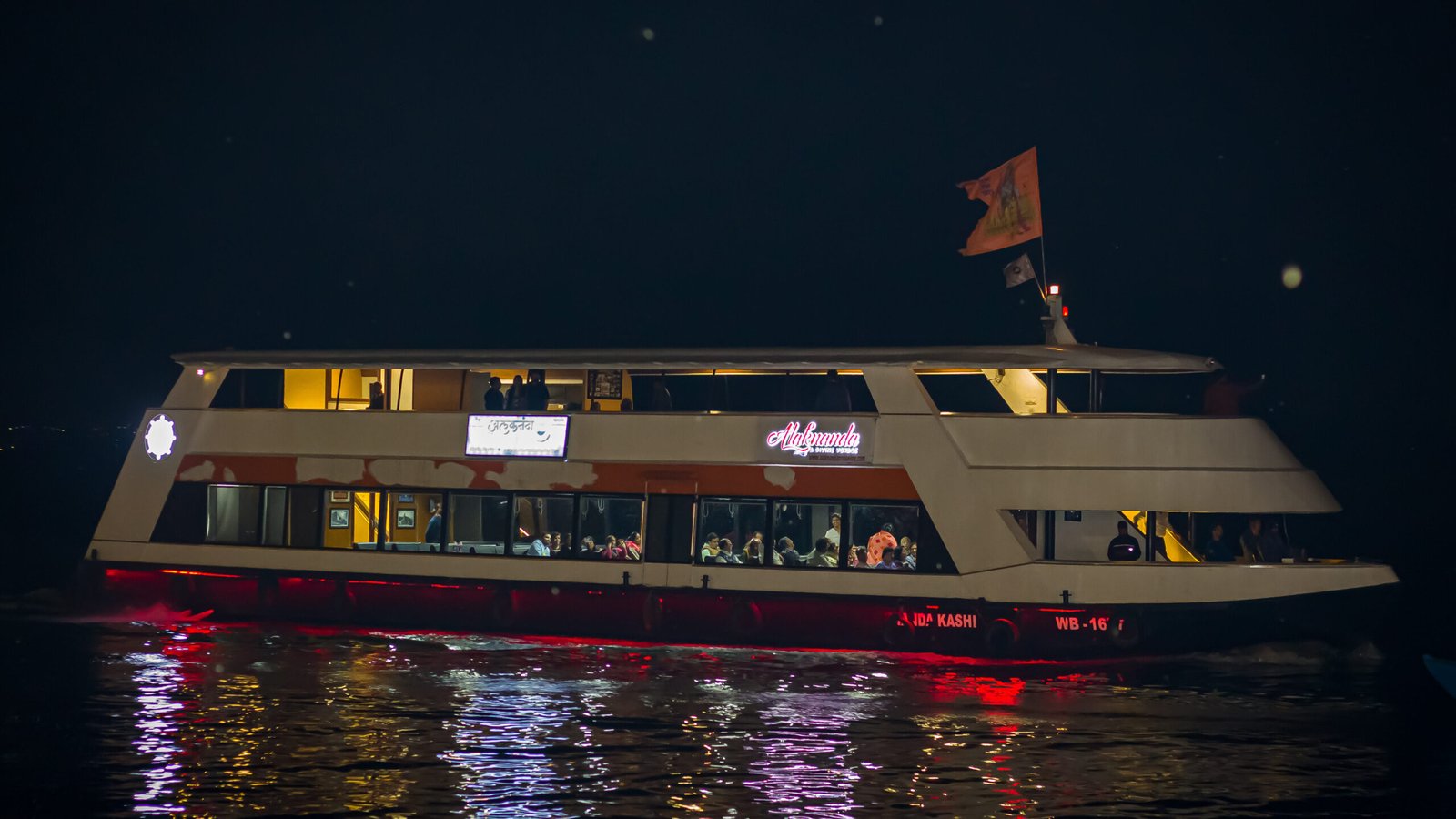
Dev Diwali 2026 Boat Booking in Varanasi: Price Guide & Boat Types
Dev Diwali boat rates are very different from a normal evening ride (a regular shared seat is usually ₹250 to ₹500). On the same river sells out weeks ahead, so compare the boat types and the typical market range before you book.
| Boat type | Seats | Typical 2026 price | Best for |
|---|---|---|---|
| Shared Motor Boat | 30 to 40 | ₹2,999 to ₹3,999 per person | Budget groups, first-timers |
| Light-Decorated Motor Boat | 30 to 40 | ₹3,999 to ₹4,499 per person | Couples, photo lovers |
| Shared Bajra / Double-Decker | 40 to 65 | ₹5,999 to ₹9,999 per person | Upper-deck views, families |
| AC Luxury Cruise (washroom) | 100 to 130 | About ₹13,500 per person | Elders, big families, comfort |
| Private Motor Boat | 10 to 20 guests | About ₹55,000 to ₹65,000 per boat | Family or friends group |
| Private Bajra Boat | Large group | ₹2 lakh and above per boat | Celebrations, VIP guests |
Indicative market ranges observed across Varanasi operators in October 2026. Rates change with demand, so message us for ShriKashiTrip’s current rate for your boat and group size.
Which boat should you choose?
Pick a shared motor boat for the lowest cost, a bajra or double-decker for the best view, an AC cruise for elders and young children, and a private boat if you want your own group only. Not sure? Tell us your group size and we will suggest the right one.
Dev Diwali Boat Ride Schedule, Boarding Point & What to Expect
Most Dev Diwali boat rides run from late afternoon to around 9 PM. Here is the evening at a glance, and what to check before you pay anyone.
| Time (approx.) | What happens | Note |
|---|---|---|
| 4:00 PM | Reporting at the boarding ghat | Roads near the ghats close to vehicles later in the evening |
| 5:00 to 5:30 PM | Boats leave the ghat | Sunset sail past the lit ghats |
| 5:08 to 7:47 PM | Pradosh Kaal, diyas lit on 84 ghats | As per Drik Panchang |
| 6:30 to 7:00 PM | Laser show | Over the river and fort side |
| 7:15 to 7:45 PM | Grand Dev Deepawali Ganga Aarti | Watched from the water near Dashashwamedh |
| 8:00 to 8:30 PM | Fireworks / fire show | Best seen from mid-river |
| About 9:00 PM | Return to the ghat | Timing depends on the operator and crowd |
Show timings are approximate, as shared by boat operators, and the final programme is set by the local administration. We confirm the latest timing with you on WhatsApp.
Boarding point & reporting
On Dev Diwali the main ghats are packed and nearby roads are closed, so boarding usually happens from a quieter ghat on the Assi side such as Ravidas Ghat (Nagwa) or Gaay Ghat. Always ask for your exact boarding ghat, reporting time and a walking route in writing, and reach 1 to 2 hours before sailing.
What a good package should include
- Life jackets for every guest
- Licensed, experienced boatman
- Drinking water (snacks on many boats)
- View of Aarti, laser show and fireworks
- Clear seat or boat type confirmed in advance
What to carry
- Warm clothes, November nights are cold on the river
- Photo ID and booking message
- Fully charged phone or power bank
- Light bag only, comfortable footwear
Kids and elders
Keep children supervised and wearing life jackets at all times. For elderly guests or anyone who finds boarding difficult, choose a larger cruise-style boat with proper seating and tell us in advance so we can plan a short walk to the boat.
Why Book Your Dev Diwali Trip with ShriKashiTrip
Choosing a travel agency in Varanasi on the busiest night of the year is a big decision. Here is how ShriKashiTrip is different from most operators.
No Advance Payment. Full Transparency.
You do not pay us any advance to book. We share the rate, inclusions, boarding point and terms with you in writing on WhatsApp first, so you can decide with full clarity and zero pressure.
No Advance Payment
Many operators ask for a down payment on the day you enquire, and some treat it as non-refundable. With ShriKashiTrip you are not asked to pay upfront.
Budget-Friendly Rates
Fair, competitive pricing across boats, taxis and stays, with options for every budget from shared seats to private boats.
Full Transparency
Rate, boat type, seat count, inclusions, boarding ghat and cancellation terms are shared before you commit. No hidden charges on the night.
One Local Team
7+ years in Varanasi tourism. Boat, taxi service in Varanasi, stay and darshan planned together, so your Dev Diwali evening does not fall apart on logistics.
| What matters | Typical operator | ShriKashiTrip |
|---|---|---|
| Advance payment | Often required to hold a slot | No advance payment |
| Pricing clarity | Rates differ by channel, extras added later | Shared upfront in writing |
| Cancellation terms | Strict, sometimes no refund | Explained clearly before you decide |
| Cab, stay and boat | Mostly one service | All handled by one local team |
| Support | Callback-based | Direct WhatsApp and phone |
Ayodhya Deepotsav 2026 and Dev Diwali: Plan Both Trips
Two of India’s biggest festivals of light fall within three weeks of each other. Ayodhya Deepotsav comes first, around Diwali, and Varanasi Dev Diwali follows on 24 November. Many pilgrims plan both in one trip.
| Date | Festival | What to know |
|---|---|---|
| 6 to 8 Nov | Ayodhya Deepotsav (3 days) | Main lamp lighting on the evening of 7 Nov at Ram Ki Paidi and the Saryu ghats |
| 7 Nov | Main Deepotsav evening | Target of about 30 lakh diyas, Saryu Aarti, laser show and green fireworks |
| 7 to 9 Nov | 2,100-drone show | Ram-themed show with a repeat planned; reports differ on the exact day, so confirm locally |
| 8 Nov | Diwali (Lakshmi Puja) | Main household festival of lights |
| 24 Nov | Dev Diwali, Varanasi | Diyas on all 84 ghats, Ganga Aarti, laser show and fireworks, best seen by boat |
Dates and programme details are as per current media and tourism announcements. Final schedules are decided by the administration, so reconfirm closer to the day.
What Is Deep Daan in Ayodhya and How Is It Done?
Deep Daan means offering lit earthen lamps to the sacred river. At Ayodhya it is done on the Saryu bank and at Ram Ki Paidi, usually at sunset (Pradosh Kaal).
Gather the items
An earthen diya, ghee or sesame oil, a cotton wick and a few rice grains as the base.
Reach at sunset
Go to the Saryu ghat around Pradosh Kaal, before the biggest crowds build up.
Light and offer
Place the diya on the rice, light it with a sankalp, and offer it to the Saryu.
Can’t travel? Online Deep Daan
Some temple and government initiatives let devotees offer a lamp online, with a priest lighting it on your behalf. Use only official UP Tourism or temple channels and verify the portal before paying.
Travelling Varanasi to Ayodhya for Deepotsav?
Ayodhya is roughly 200 km from Varanasi, about 4 to 5 hours by road in normal traffic, and much slower on festival days. Start early, pre-book your cab and plan your return, because roads close near the ghats in the evening. We arrange taxi service in Varanasi and Ayodhya transfers with no advance payment. Ask on WhatsApp.
Dev Diwali 2026 Boat Booking: Frequently Asked Questions
What is the Dev Diwali boat booking price in Varanasi in 2026?
Typical 2026 rates are about ₹2,999 to ₹4,499 per person for shared motor boats, ₹5,999 to ₹9,999 for bajra or double-decker boats, and around ₹13,500 for an AC luxury cruise. Private boats start from roughly ₹55,000. Message us for our current rate.
When is Dev Diwali 2026 in Varanasi?
Dev Diwali 2026 falls on Tuesday, 24 November 2026, on Kartik Purnima. The Pradosh Kaal lamp-lighting window is roughly 5:08 PM to 7:47 PM as per Drik Panchang.
Does ShriKashiTrip take advance payment for Dev Diwali boat booking?
No. ShriKashiTrip does not ask for any advance payment. We share the rate, inclusions, boarding point and terms in writing on WhatsApp before you decide.
Where is the boarding point for Dev Diwali boats?
Boarding is usually from a quieter ghat on the Assi side, such as Ravidas Ghat (Nagwa) or Gaay Ghat, because the main ghats and nearby roads are crowded and closed. We confirm your exact ghat and reporting time on WhatsApp.
What time should I report for the Dev Diwali boat ride?
Most rides ask guests to report around 4:00 PM, with boats sailing between 5:00 and 5:30 PM. Reaching early is safer because roads close to vehicles in the evening.
What are the laser show, Ganga Aarti and fireworks timings on Dev Diwali?
Approximate timings are the laser show at 6:30 to 7:00 PM, the Ganga Aarti at 7:15 to 7:45 PM and the fire show at 8:00 to 8:30 PM. The final programme is set by the local administration, so we confirm it closer to the date.
How early should I book a Dev Diwali boat in Varanasi?
Book as early as possible. Dev Diwali is the busiest night of the year and popular boats such as bajra, AC cruise and private boats sell out weeks ahead.
Which Dev Diwali boat is best for elderly people and families?
An AC luxury cruise or a large bajra or double-decker boat with proper seating is the most comfortable choice. Tell us about any mobility needs when booking so we can plan boarding.
What should I carry for a Dev Diwali boat ride?
Carry warm clothes, a photo ID, your booking message, a charged phone or power bank and a light bag. Children should wear life jackets and stay supervised throughout.
Can I book a private boat for Dev Diwali?
Yes, private boats for family or friends groups are available. Private motor boats generally start from around ₹55,000 per boat on Dev Diwali. Share your group size on WhatsApp for our rate.
When is Ayodhya Deepotsav 2026?
Ayodhya Deepotsav 2026 is planned from 6 to 8 November, with the main lamp lighting on the evening of 7 November, just before Diwali on 8 November. A 2,100-drone show is also planned, so check the latest announcement for its exact day.
What is Deep Daan in Ayodhya and how is it done?
Deep Daan is offering lit earthen lamps to the Saryu river, usually at sunset on the Saryu bank or Ram Ki Paidi. You need a diya, ghee or sesame oil, a cotton wick and rice grains as a base. Online Deep Daan is also offered through official temple and tourism channels.
Can I visit both Ayodhya Deepotsav and Varanasi Dev Diwali?
Yes. Deepotsav is on 7 November and Dev Diwali is on 24 November, so you can do both in one extended trip or in two separate visits. Ayodhya is about 200 km from Varanasi, and we can arrange cabs for both.
ShriKashiTrip vs Ola vs Uber vs Chiku Cab vs Local Taxi in Varanasi
Confused which cab to book for your Kashi Darshan? Here’s an honest, fact-based comparison across price, safety, local temple knowledge and 24/7 support — so you can choose the right ride, not just the loudest ad.
Why Cab Choice Matters in Varanasi
Varanasi is not just another city — it’s a maze of narrow ghats, one-way lanes, and temple restricted zones where GPS often fails and app-based drivers get lost. If you’re planning your taxi service in Varanasi for Kashi Vishwanath Darshan, Ganga Aarti, or an outstation trip to Ayodhya and Prayagraj, the driver’s local knowledge matters just as much as the fare on the app screen.
In 2026, tourists and pilgrims typically choose between five options:
- ShriKashiTrip — Varanasi-based pilgrimage taxi service with local temple-expert drivers
- Ola — National app-based aggregator with dynamic pricing
- Uber — Global app-based aggregator, also surge-priced
- Chiku Cab — Multi-city cab aggregator brand also operating in Varanasi
- Local Taxis — Independent drivers found at taxi stands, unverified
Quick Comparison Table: ShriKashiTrip vs Ola vs Uber vs Chiku Cab vs Local Taxi
| Feature | ShriKashiTrip | Ola | Uber | Chiku Cab | Local Taxi |
|---|---|---|---|---|---|
| Driver background | Born & raised in Kashi, personally trained in temple routes and Aarti timings | City-wide driver pool, not pilgrimage-focused | City-wide driver pool, not pilgrimage-focused | Local Kashi drivers with aggregator-style dispatch | Unverified, no formal training |
| Pricing | Fixed fare, quoted upfront on call/WhatsApp — no surge, ever | Dynamic surge pricing | Dynamic surge pricing | Fixed fare, aggregator billing | Negotiated, mood-dependent |
| Booking | Direct call, WhatsApp, or website — talk to a real person, not a bot | App only | App only | App, website, call centre | In-person at stand only |
| Support | 24×7 direct owner support — same number handles booking, driver, and route queries | In-app chat | In-app support | 24×7 helpline (call-centre model) | None |
| Fleet rating | 5-star rated, sanitized, AC-serviced cars | Varies by driver-partner | Varies by driver-partner | Varies by fleet partner | Not standardized |
| Temple & Darshan guidance | Drivers actively guide you on Aarti timing, VIP Darshan entry points, and crowd-avoidance | Not offered | Not offered | Depends on individual driver | Depends on individual driver |
| Payment | Cash, UPI, Card | UPI & Cash | UPI & Cash | Cash, Card, UPI | Mostly cash only |
Feature comparison based on publicly listed services and standard offerings of each provider as of 2026; individual driver-partner experience with app-aggregators can vary.
ShriKashiTrip vs Ola vs Uber vs Chiku Cab vs Local Taxi — At a Glance
Here’s a quick visual snapshot of how ShriKashiTrip stacks up against Ola, Uber, Chiku Cab and Local Taxi on the things that matter most for a Varanasi pilgrimage trip — fare, reliability, and support.

ShriKashiTrip — Local & Trusted, Best Affordable Fares, Punctual & Reliable, 24×7 Customer Support
Fare Comparison Chart — Which Cab Is Most Affordable in Varanasi?
| Route / Package | ShriKashiTrip | Ola | Uber | Chiku Cab |
|---|---|---|---|---|
| Airport to Kashi Vishwanath / Godowlia (one-way) | ₹700 – ₹800 (fixed, flight-tracked pickup) | Surge-dependent | Surge-dependent | ₹600 onwards |
| Sedan — 8 Hr / 80 Km Local Kashi Darshan | ₹2,000 – ₹2,200 (fixed) | ₹1,680 onwards (surge extra) | ₹1,480 onwards (surge extra) | ₹1,200 onwards (for 6 Hr / 60 Km — smaller package) |
| SUV (Innova) — 8 Hr / 80 Km Local | ₹3,000 – ₹3,200 (fixed) | Surge-dependent | Surge-dependent | Varies by fleet |
| Outstation — Varanasi to Ayodhya Taxi (one-way) | ₹11/km, min 250 km/day, no surge | ₹4,107 onwards | ₹4,200 onwards | ₹2,600 onwards |
| Tempo Traveller (12–20 seats) | ₹5,500 onwards, ₹25/km outstation | Not standard offering | Not standard offering | Varies by fleet |
Rates shown are indicative starting fares as listed publicly by each provider and are subject to change with fuel prices and season. Confirm your exact fare on call before booking.
Why Local Driver Knowledge Beats Any App
This is where ShriKashiTrip is genuinely different from every app-based option on this list. Our drivers aren’t just navigating with Google Maps — they’ve grown up in Kashi’s lanes and know things no app can tell you:
🕉️ Aarti & Darshan Timing
Drivers know the exact time to leave your hotel to catch the Ganga Aarti from the best viewpoint, and which Kashi Vishwanath entry line is shortest at that hour.
🗺️ No-Vehicle Zones
The lanes around Vishwanath Gali are restricted for vehicles. Our drivers know the exact drop point (Godowlia / Maidagin) so you don’t waste time in traffic.
🛕 Hidden & Prachin Temples
Beyond the famous stops, our drivers can guide you to lesser-known Prachin temples that most app-based drivers have never heard of.
🧳 Full Trip Guidance
From luggage help to festival-season crowd planning (Sawan, Dev Deepawali), our drivers act as an informal local guide — not just a steering wheel.
The App vs Local Expertise Gap
Ola and Uber connect you to whichever driver is nearest — city knowledge is a bonus, not a requirement. Aggregator brands like Chiku Cab route bookings through a call centre to a partner fleet. ShriKashiTrip is built the opposite way: every driver is personally briefed on pilgrimage routes and temple etiquette before they’re allowed to carry a guest. That’s the difference between a ride and a Yatra.
Safety & Trust Comparison
ShriKashiTrip
- Verified, locally known drivers — not anonymous gig workers
- 5-star rated, sanitized, AC-serviced cars
- Direct owner accountability — you speak to the same team that manages your driver
- 24/7 human support, no chatbot loops
- Govt.-registered local operator with years of on-ground experience running Kashi Darshan trips
Ola / Uber
- Driver verification at registration, in-app GPS tracking
- Support handled through app/chat, limited human escalation
- Surge pricing can spike sharply during festivals
Chiku Cab
- Aggregator model with a mix of owned and partner vehicles
- Call-centre based support
- Fixed pricing, but driver often isn’t a dedicated pilgrimage specialist
Local Taxis
- No formal verification or GPS tracking
- Fares negotiated on the spot
- Minimal to no customer support if something goes wrong
Coverage & Local Expertise Across Varanasi
Whether you’re headed to the ghats, Sarnath, or an outstation pilgrimage circuit, ShriKashiTrip’s local travel agency in Varanasi covers it all with the same fixed-fare, driver-guided experience:
- Airport to Kashi Vishwanath Corridor, Godowlia and Dashashwamedh Ghat
- Assi Ghat, BHU, Mahmoorganj and Sigra
- Sarnath, Ayodhya, Prayagraj and Vindhyachal outstation routes
- Late-night and early-morning airport pickup/drop with pre-confirmed driver and cab

Why Travellers Choose ShriKashiTrip Over Ola, Uber & Chiku Cab
★★★★★ 5-Star Rated Fleet
Every car — from Swift Dzire to Innova Crysta to Tempo Traveller — is sanitized, AC-serviced, and maintained to a 5-star standard before every trip.
📞 24×7 Booking & Support
Call or WhatsApp us anytime at +91-8756538399. No app download, no waiting for a driver-match algorithm. Don’t waste phone storage installing an app for a 2-day trip — just message a real person on WhatsApp and get an instant, fixed quote.
🙏 Pilgrimage-First Drivers
Our drivers double as local guides — for Darshan timing, temple etiquette, and the fastest routes around restricted zones.
💰 100% Fixed Pricing
What we quote on call is what you pay — no Ganga Aarti rush-hour surge, no festival-season markup.
👵 Senior Citizen Friendly
Most of our guests bring elderly parents for Darshan. Our drivers help arrange wheelchairs on request and know the shortest-walk entry points near no-vehicle zones, so seniors don’t have to walk long stretches to reach the temple.
What Our Travellers Say
“Booked an Innova for our family Kashi Darshan trip — driver knew exactly when to reach Dashashwamedh Ghat to avoid the crowd. No hidden charges, exactly as quoted.”
“Used their outstation cab for Varanasi to Ayodhya. Comfortable Swift Dzire, punctual pickup from the airport, and the driver helped us plan the Ram Mandir darshan timing too.”
“Hired the Tempo Traveller for our 15-member pilgrimage group. Spacious, clean, and the driver managed the whole group’s temple-hopping schedule smoothly.”
Frequently Asked Questions
Which is the best cab service in Varanasi — ShriKashiTrip, Ola, Uber, or Chiku Cab?
For pilgrimage and Darshan-focused trips, ShriKashiTrip stands out because drivers are trained specifically in temple routes, Aarti timings, and restricted-zone drop points — something app-aggregators don’t specialize in. For fixed pricing, 24/7 human support, and a 5-star rated fleet, ShriKashiTrip is the most complete option for tourists visiting Kashi.
Is ShriKashiTrip cheaper than Ola and Uber in Varanasi?
Yes, in most cases. Ola and Uber use dynamic surge pricing that spikes during Ganga Aarti hours and festival season, while ShriKashiTrip quotes a fixed fare upfront with no last-minute price hikes.
What is the average taxi fare in Varanasi?
A local Sedan package (8 hours / 80 km) typically starts around ₹2,000–₹2,200 with ShriKashiTrip, while outstation trips are billed at ₹11/km onwards depending on the vehicle. See our full taxi service in Varanasi rate card for details.
Are local unverified taxis better than app-based cabs in Varanasi?
Local stand taxis are cheaper to negotiate but lack GPS tracking, driver verification, and transparent pricing. For a safer, more predictable experience, a verified service like ShriKashiTrip is recommended, especially for solo and family travellers.
Which cab is best from Varanasi Airport to Kashi Vishwanath Temple?
ShriKashiTrip offers 24/7 airport pickup with flight-tracking, so your driver is waiting even for late-night arrivals, and drops you at the correct accessible point near the temple’s no-vehicle zone.
Do ShriKashiTrip drivers know the Prachin (ancient) temples in Kashi?
Yes. Our drivers act as informal local guides and know the exact locations and best visiting times for Kaal Bhairav, Sankat Mochan, Durga Kund, Tulsi Manas Mandir, and other lesser-known Prachin temples.
Book a 5-Star Rated Local Driver — Not Just a Ride
Call or WhatsApp now for fixed-fare Kashi Darshan, airport transfer, or outstation cab booking with a driver who actually knows Varanasi.
WhatsApp: +91-8756538399